Party wall agreements explained
When the Party Wall Act applies, which notices to serve and when, what happens if a neighbour disagrees, and how to keep things friendly.
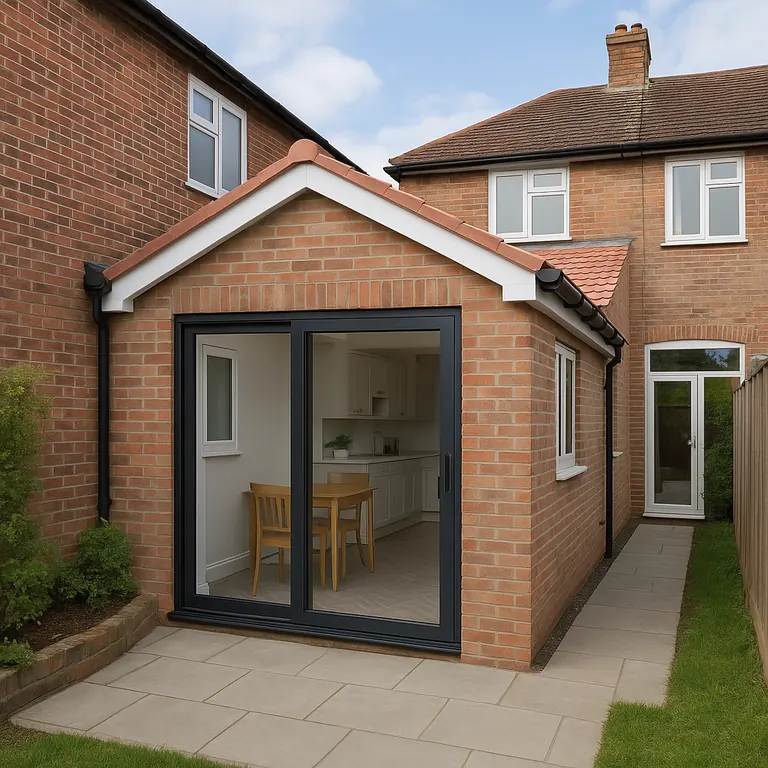
If you live in a semi-detached or terraced house, which describes a large share of homes in Manchester, there is a good chance your extension or loft conversion will involve the Party Wall etc. Act 1996. It sounds daunting, but it is a straightforward process when handled properly and in good time.
This is a general guide, not legal advice. For complex cases, speak to a party wall surveyor.
What is the Party Wall Act?
The Act sets out a process for building work that affects a shared wall or a neighbour's property. It gives you the right to carry out certain work, and gives your neighbour protection, including a record of the condition of their property and a way to resolve any disagreements.
When does it apply?
- Work to a party wall: for example cutting in steel beams for a loft conversion, removing a chimney breast attached to a party wall, or raising the height of the wall.
- Building a new wall on or at the boundary: common with side return and rear extensions on terraces.
- Excavating near a neighbour's building: digging foundations within 3 metres of their building and deeper than their foundations, or within 6 metres in some cases involving deeper excavations.
Which notices, and when?
- Party structure notice: at least 2 months before work to a party wall.
- Line of junction notice: at least 1 month before building a new wall on the boundary.
- Notice of adjacent excavation: at least 1 month before digging foundations near a neighbour's building.
Notices can run alongside planning and Building Regulations, so they do not need to delay your project if served early.
What happens next?
Your neighbour has 14 days to respond. They can consent in writing, in which case work can go ahead once the notice period ends. If they dissent, or do not respond within 14 days, a dispute is treated as having arisen, and surveyors are appointed. Either one surveyor acts for both of you, known as an agreed surveyor, or each side appoints their own.
The surveyor or surveyors then prepare a party wall award, which sets out how and when the work will be done, and usually includes a schedule of condition of the neighbour's property. As the person doing the work, you normally pay the surveyors' fees.
Common Manchester examples
- A dormer loft conversion on a semi, with steels bearing on the party wall.
- A side return extension on a terrace, built up to the boundary.
- A rear extension with foundations dug close to a neighbour's kitchen.
- Chimney breast removal on a shared chimney stack.
Keeping your neighbours on side
The best tip is simple: talk to your neighbours before the notice arrives. Show them the plans, explain the timings and give them a contact number. A neighbour who feels informed is far more likely to consent, which can save time and surveyor fees.
We help with party walls
We identify party wall requirements at the start of every project and make sure notices are served in good time. Book a free site visit to talk through your plans.
Planning a project in Manchester?
Book a free site visit and we will check planning, Building Regulations and party wall requirements for your home.